A Philadelphia rowhome renovation is rarely one project. It is a kitchen, a bathroom or two, floors, stairs, paint, maybe a deck out back, all in a house that is narrow, often more than half a century old, and shares walls with the neighbors. We have done several this year, including a room-by-room renovation on 63rd Avenue and a full remodel with a new kitchen on 67th Avenue. The single biggest thing that keeps a job like that on track is doing the work in the right order.
1. Plan the whole house before touching anything
Decide every room's scope up front, even if the work will be phased. Moving a bathroom, adding outlets in the kitchen or opening a wall affects plumbing and electrical everywhere. Permits for the work that needs them get pulled now. In houses built before 1978, lead-safe work practices apply to any job that disturbs painted surfaces (EPA Renovation, Repair and Painting rule), so that is part of the plan too.
2. Demolition and what it uncovers
Old plaster, dated kitchens and tired bathrooms come out first. Demolition is also when surprises show up: an old leak, undersized wiring, a sagging joist. Finding them early, before any finishes go in, is what keeps them from becoming expensive.
3. Structure, plumbing, electrical and HVAC rough-in
With the walls open, framing gets fixed and the systems go in: supply and drain lines, new circuits, ducts and vents. Licensed partners handle the plumbing and electrical, and inspections happen before anything is closed up.
4. Insulation, drywall and the messy work
Insulation, drywall, taping and sanding create the most dust of the whole job. That is why it comes before anything you want to keep clean: cabinets, tile, new floors.
5. Kitchens and bathrooms
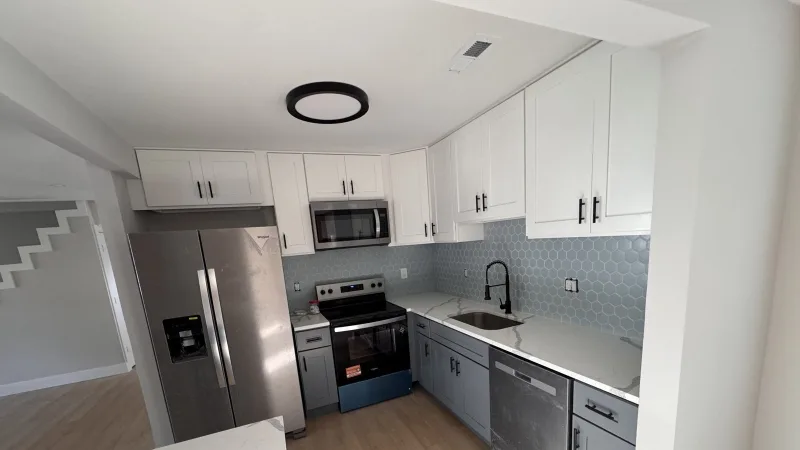
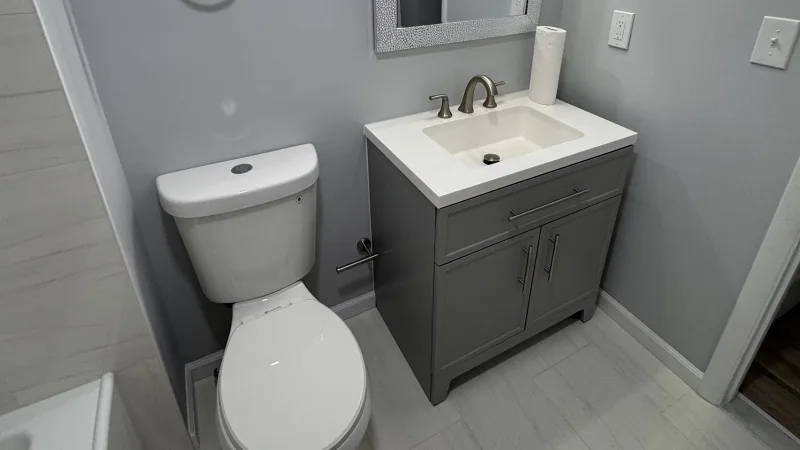
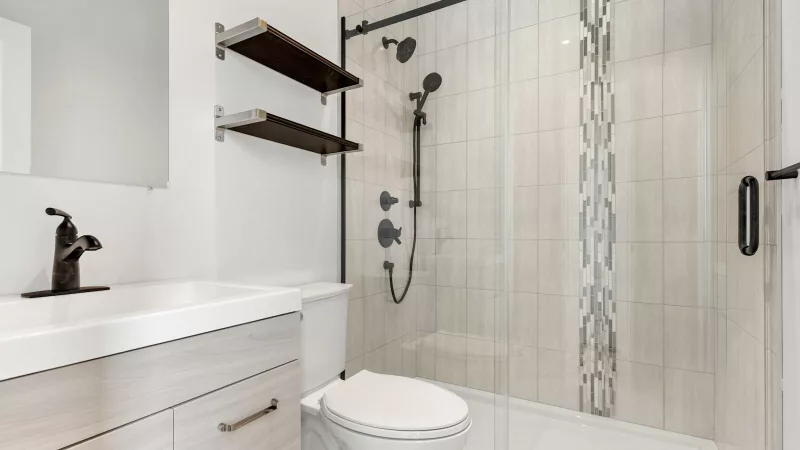
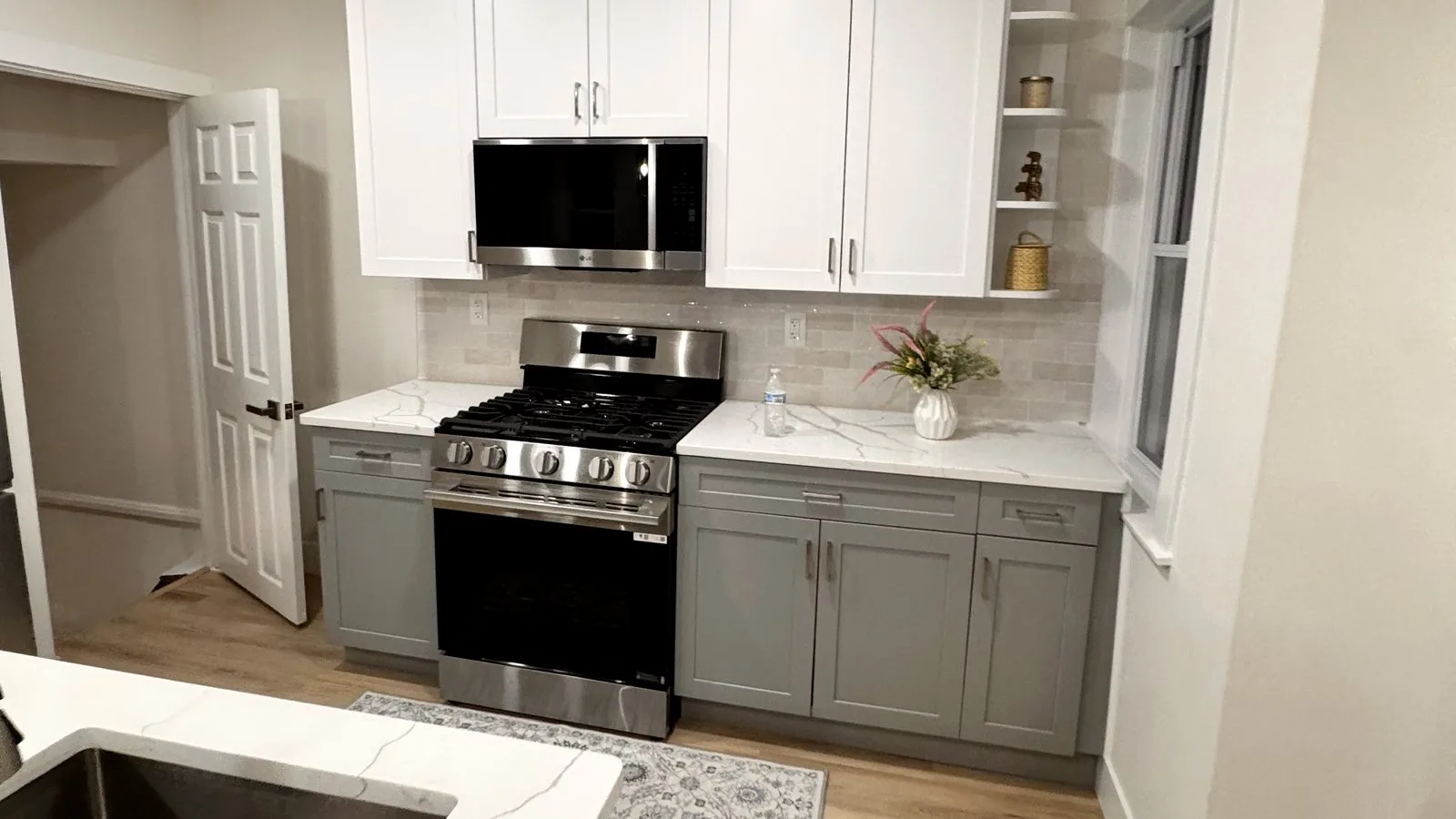
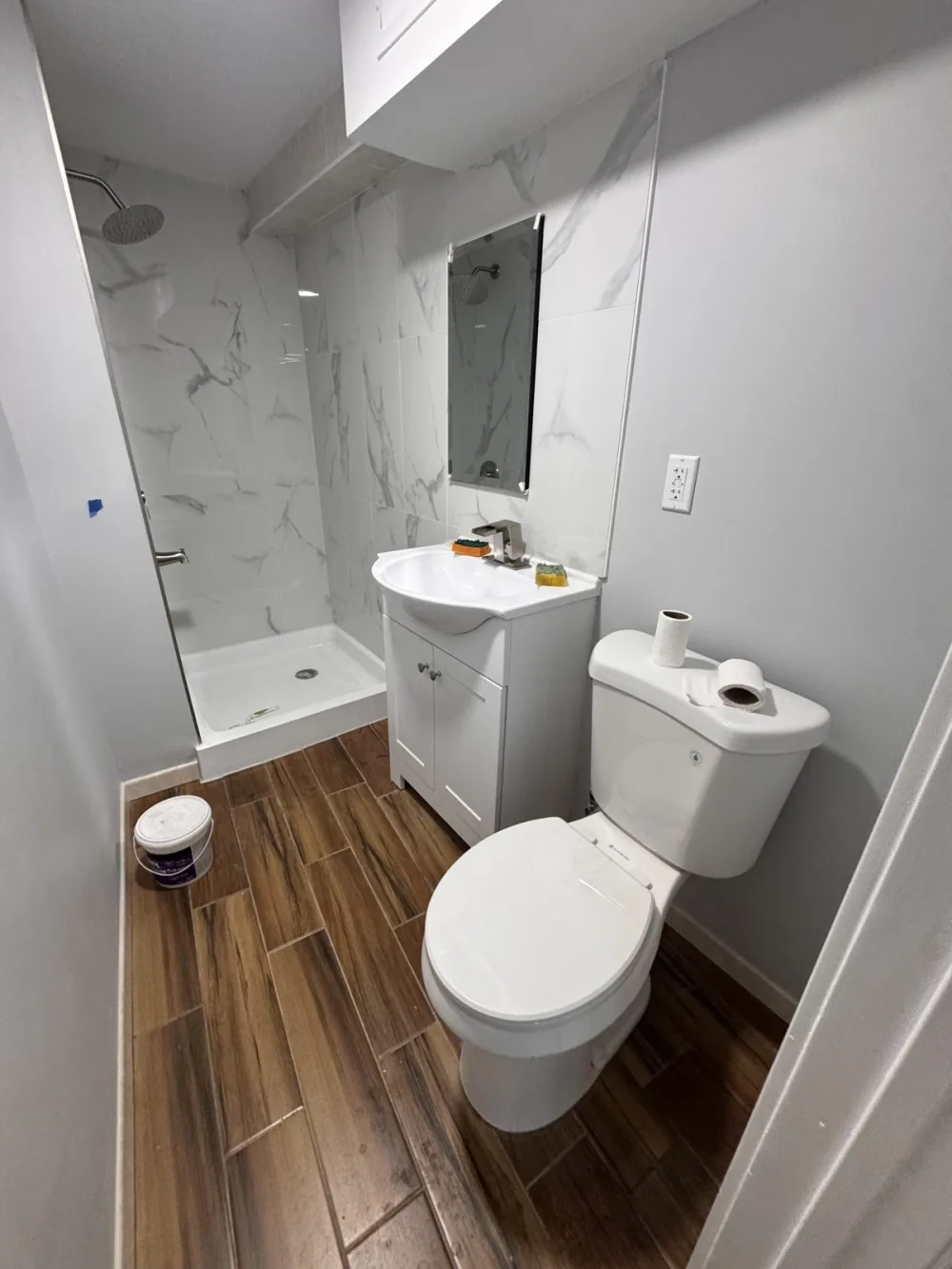
Cabinets, counters, tile, tubs and showers go in next. On 67th Avenue that meant white upper and gray lower shaker cabinets, quartz counters, a tile backsplash, open shelving and recessed lighting. On 63rd Avenue, a bathroom with a marble-look tiled shower and a wood-look tile floor.
6. Stairs and floors
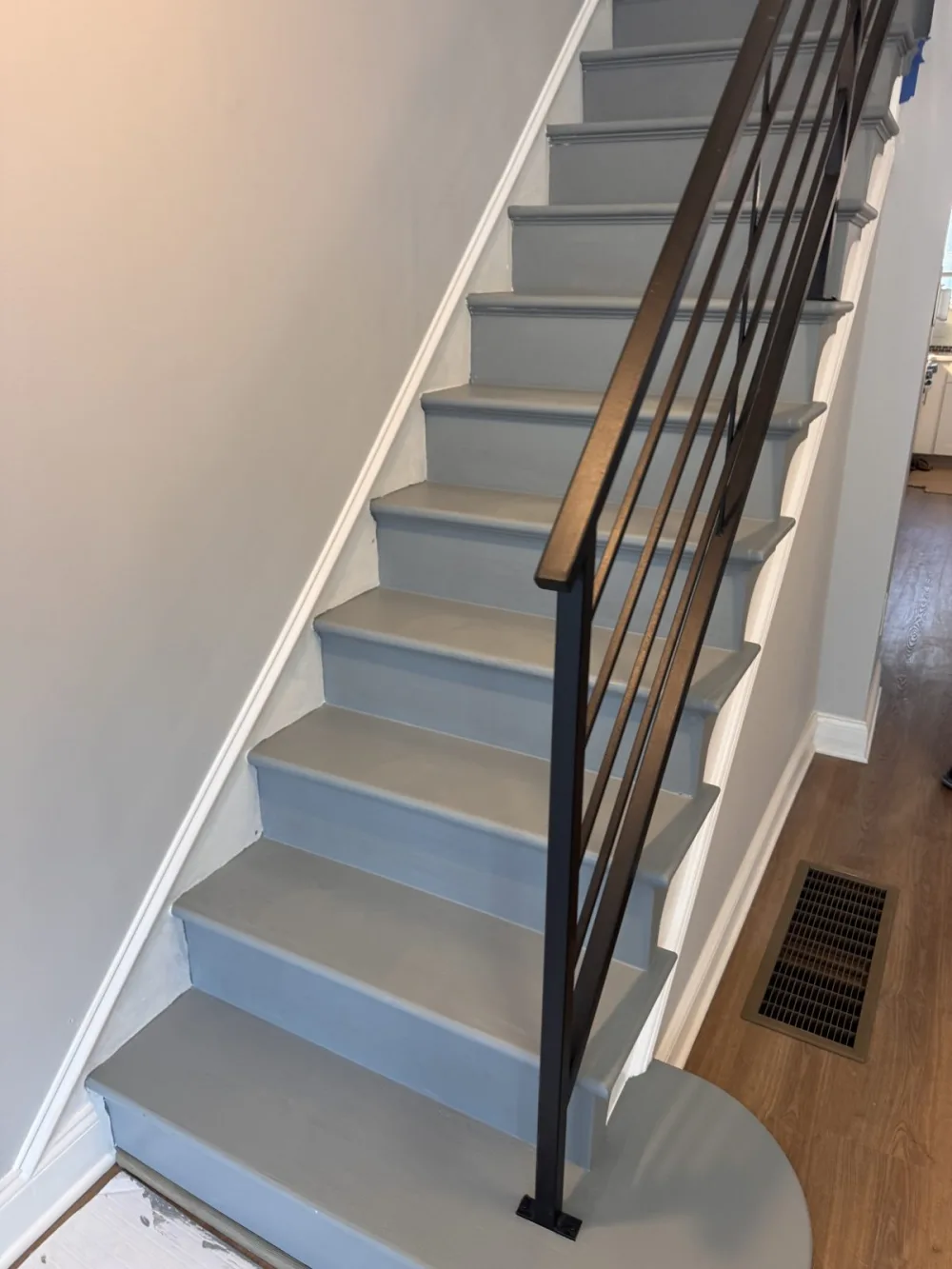
Floors go in after the heavy work so they don't get scratched by ladders and tool carts. On 63rd Avenue the staircase got gray treads, white risers and a black metal railing, and the bedrooms new wood-look plank flooring.
7. Trim, paint and finish work
Doors, baseboards, trim and final paint come near the end, then fixtures, hardware and touch-ups. Painting last means one clean coat instead of patching walls the other trades have bumped.
8. Outside last
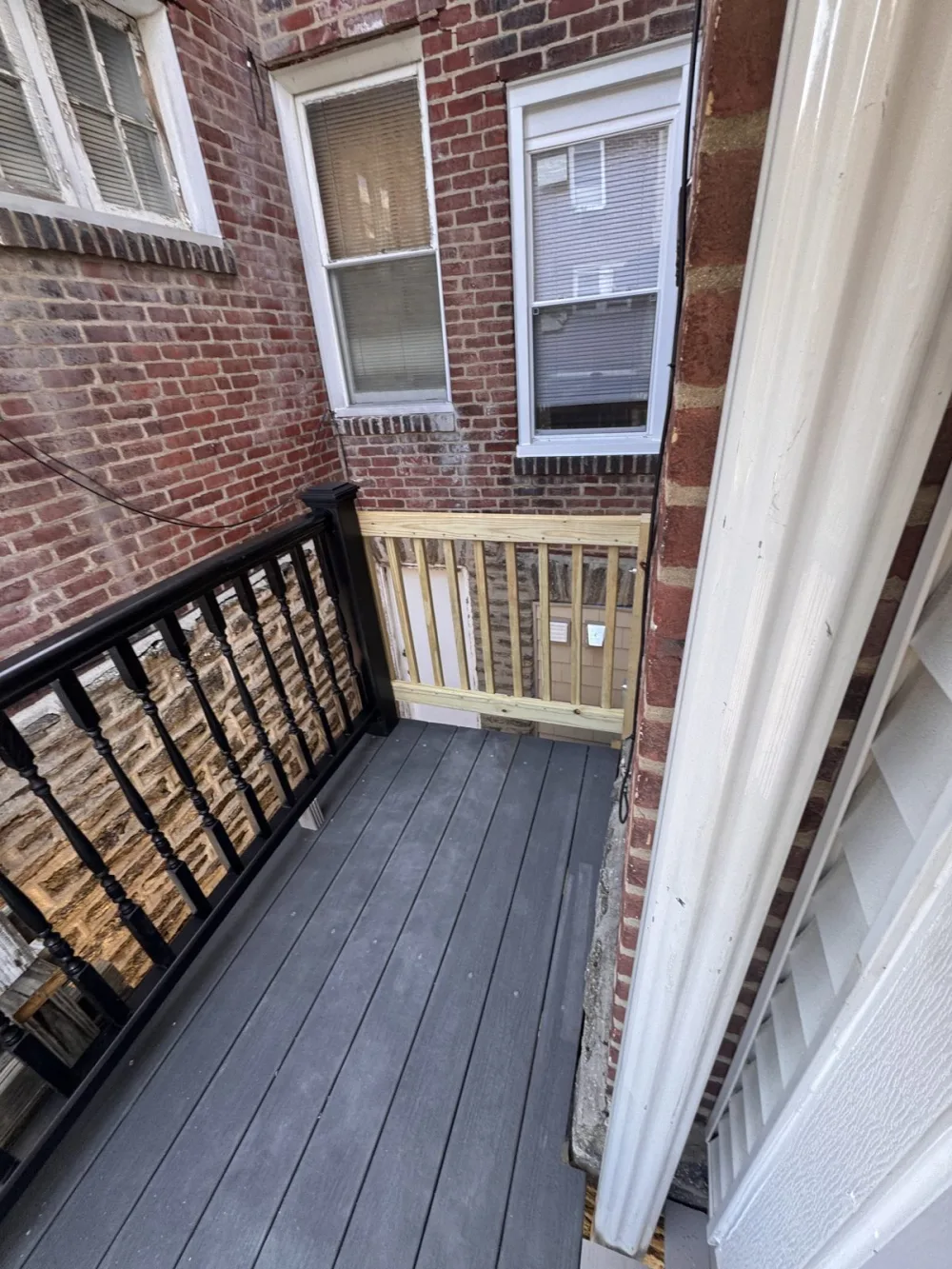
Decks, siding and exterior work can often run in parallel, but finishing them last keeps materials and workers from tracking through a finished house. On 63rd Avenue the job ended with a gray composite rear deck with black balusters.
What affects the cost
- Scope per room. A full kitchen and two bathrooms cost very differently than paint and floors.
- Systems. Old wiring, plumbing or HVAC that has to be replaced is often the biggest unknown in an older rowhome.
- Structure. Sagging joists or removed walls add framing work.
- Phasing. Doing everything in one run is usually cheaper than coming back room by room.
- Finishes. Cabinets, tile, counters and flooring choices move the total.
How long it takes
A whole-home renovation is measured in weeks to months, depending on scope. Permits and inspections, lead times on cabinets and windows, and what demolition uncovers set the pace. We give a stage-by-stage schedule up front and keep it updated as the house opens up.
Questions we hear
Can we live in the house during the renovation?
Sometimes, if the work is phased and one bathroom stays usable. For a full gut, most people move out for the heavy stages.
Do you handle permits?
Yes. We pull the permits the work needs and schedule the inspections.
Where should we start if we can't do it all at once?
Systems and anything behind the walls first, then kitchens and bathrooms. For those rooms, read remodeling a Philadelphia rowhome kitchen and bathroom refresh or full remodel.
Why one crew helps
When one general contractor runs the whole house, the trades follow each other in the right order and nobody waits on someone else's schedule. That is how we run every whole-home renovation. If you are planning one, send us a few photos of the house and request a free estimate.